Sealed lead-acid batteries use flat quick-connect tabs in three common widths, and they look almost identical until the connector will not go on. Work out which one you have in under a minute, then get leads that actually fit.
0.110 in
2.8 mm · mini
F1
0.187 in · 4.75 mm
F2
0.250 in · 6.35 mm
Pick whichever you can answer. Measuring is the only method that is certain.
Every one of these is a flat blade, or faston tab. They are all normally the same 0.032 in (0.8 mm) thickness and a similar height, so the width across the flat face is the measurement that matters.
| Name | Tab width | Metric | Usually found on |
|---|---|---|---|
| 0.110 in (F3, mini) | 0.110 in | 2.8 mm | Small cells, roughly 1.2 – 3.4 Ah: emergency lighting, alarm sounders, small backup packs |
| F1 (T1) | 0.187 in | 4.75 mm | Roughly 3 – 9 Ah: many alarm panel batteries, small UPS packs |
| F2 (T2) | 0.250 in | 6.35 mm | Roughly 7 – 35 Ah: most UPS batteries, mobility scooters, golf trolleys, portable power |
| Insert / bolt | n/a | n/a | Roughly 40 Ah and above: threaded post takes a ring terminal, not a spade |
The 7Ah trap. 7Ah is the one capacity that genuinely ships both ways. The same 12V 7Ah battery is sold with F1 terminals by one manufacturer and F2 by another, which is why so many replacement leads turn up not fitting. At 7Ah, measure — do not assume.
Before you touch the terminals. Switch the equipment off and disconnect the negative lead first, then the positive. A sealed lead-acid battery can deliver hundreds of amps into a dropped spanner, so keep tools clear of both posts and wear eye protection.
Measure the width, across the widest flat face
Not the thickness — that is about 0.8 mm on every size, so it tells you nothing
No rule handy? Take the old connector off and compare it with a new one side by side, or read the full model number from the battery label — most manufacturers put F1 or F2 in the part number.
 Terminal leads
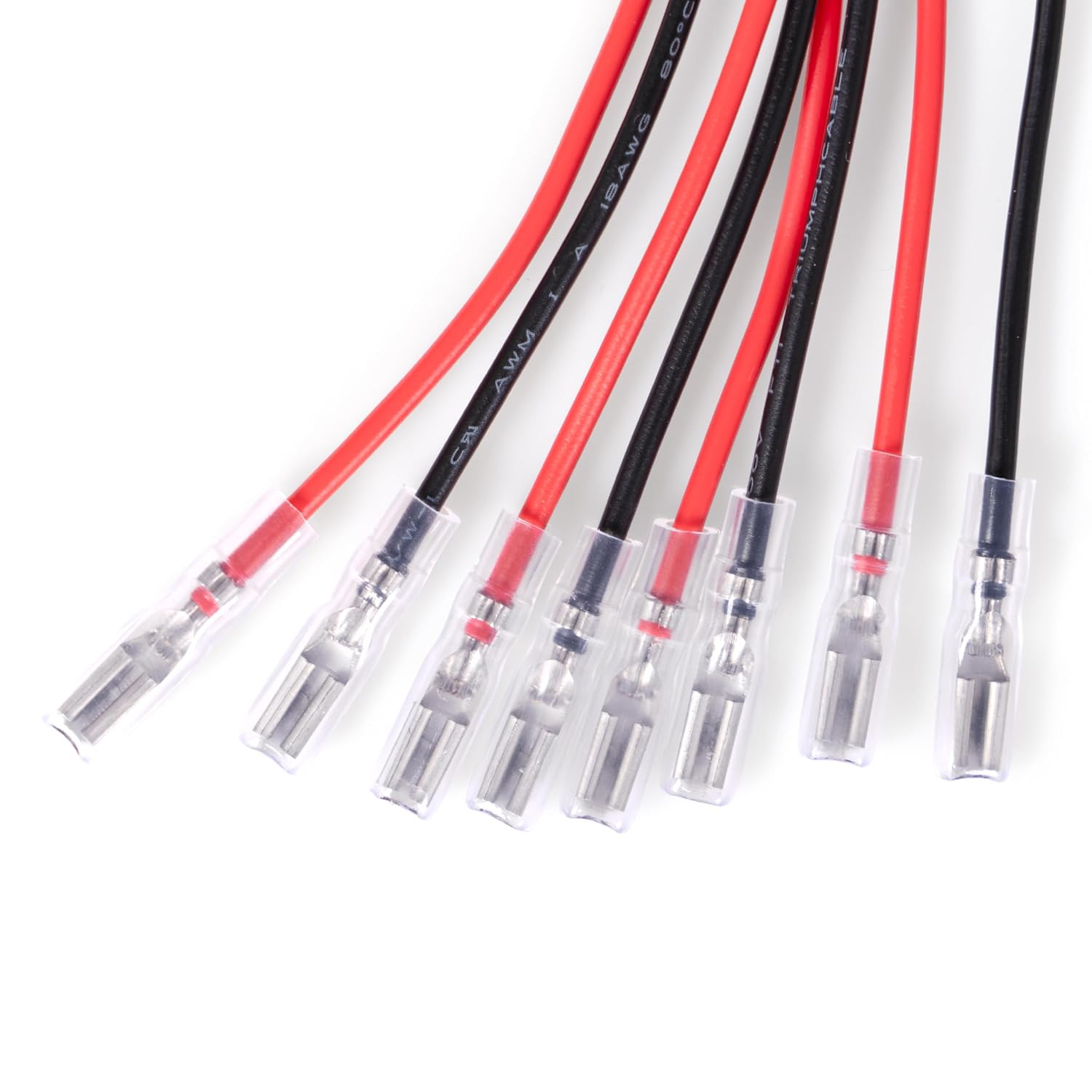
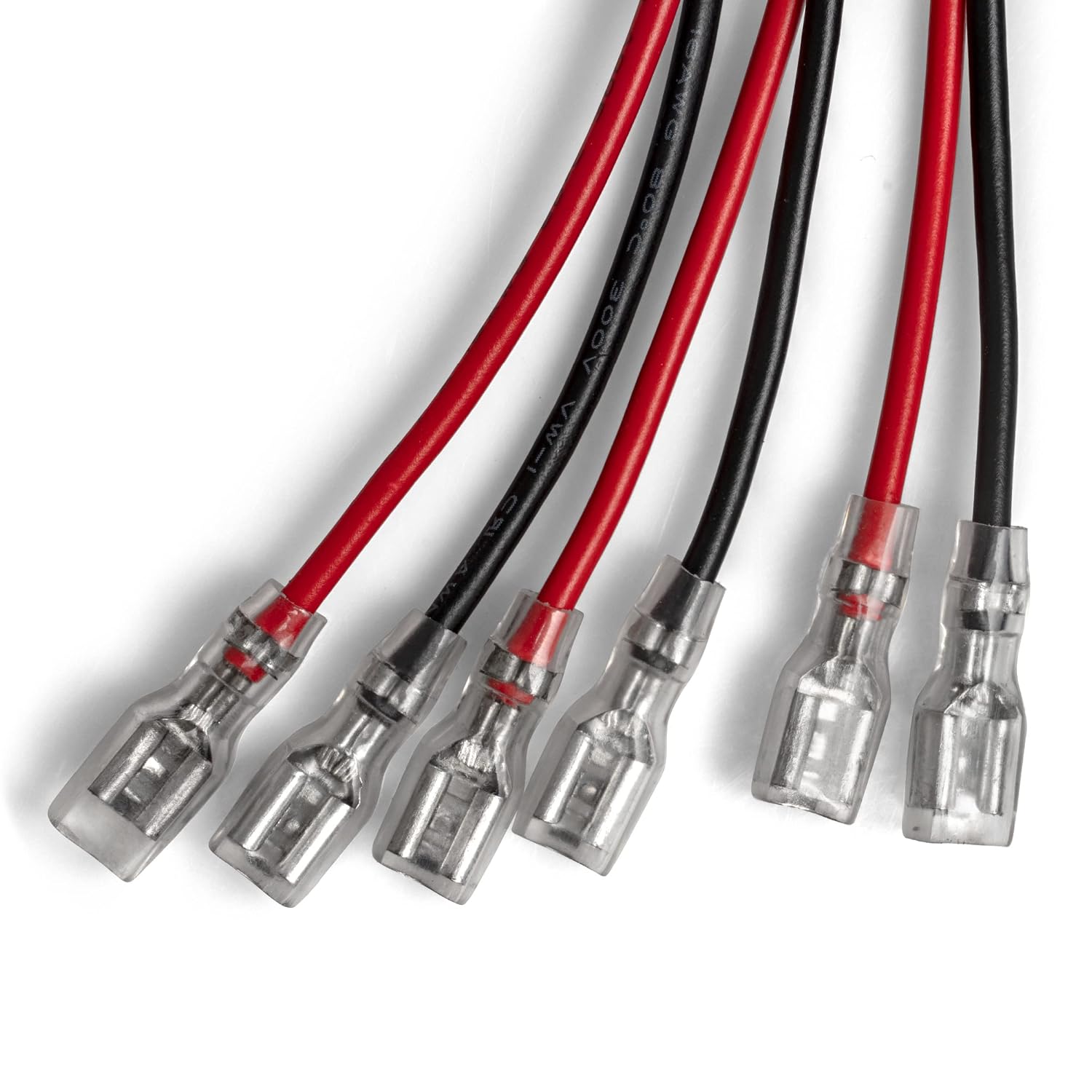
SLA Battery Terminal Leads — F1, 16 AWG, 6 pieces
Terminal leads
SLA Battery Terminal Leads — F1, 16 AWG, 6 pieces
 5 ft cable
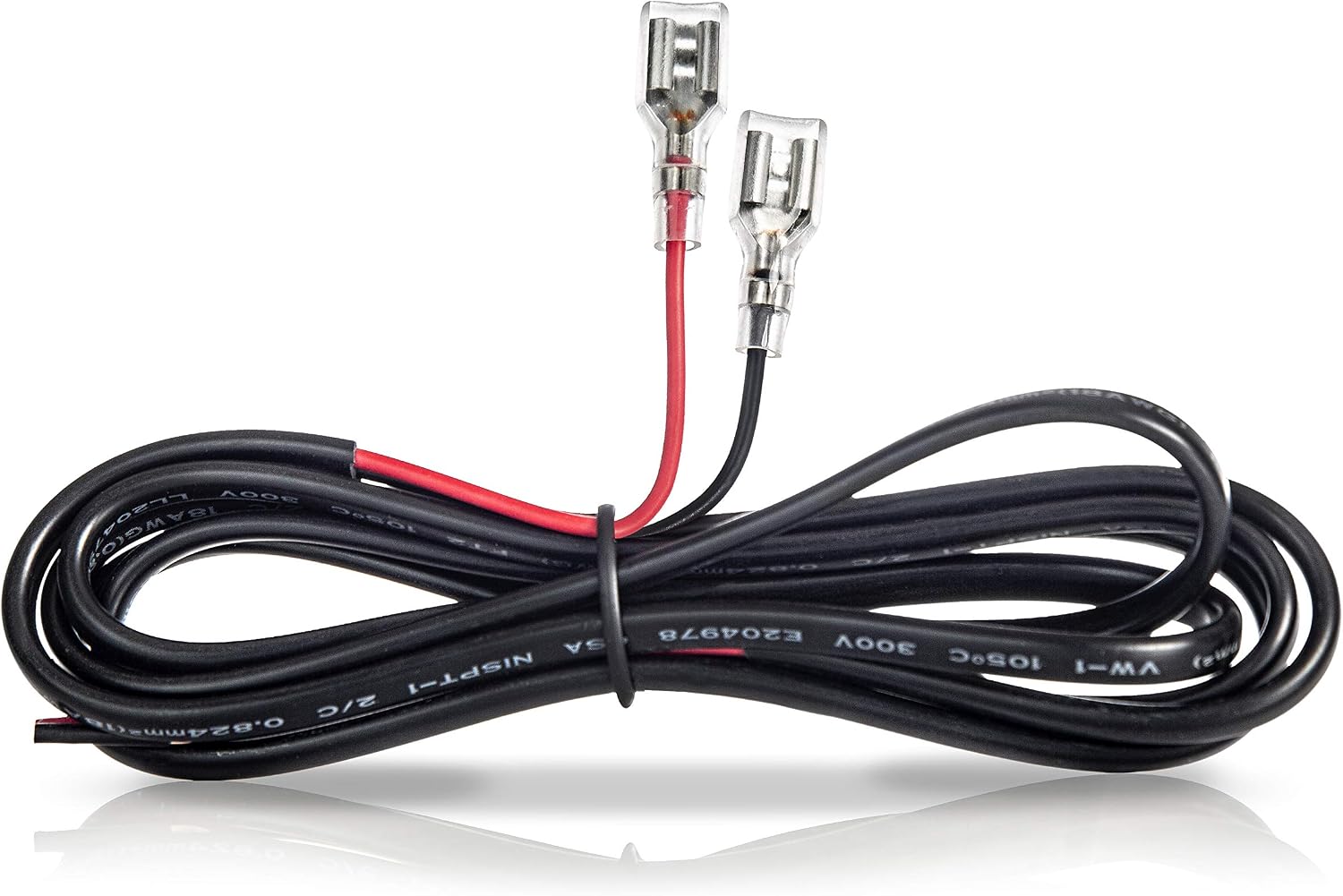
6V/12V Battery Connector Cable — F1, clear inserts
5 ft cable
6V/12V Battery Connector Cable — F1, clear inserts
 5 ft cable
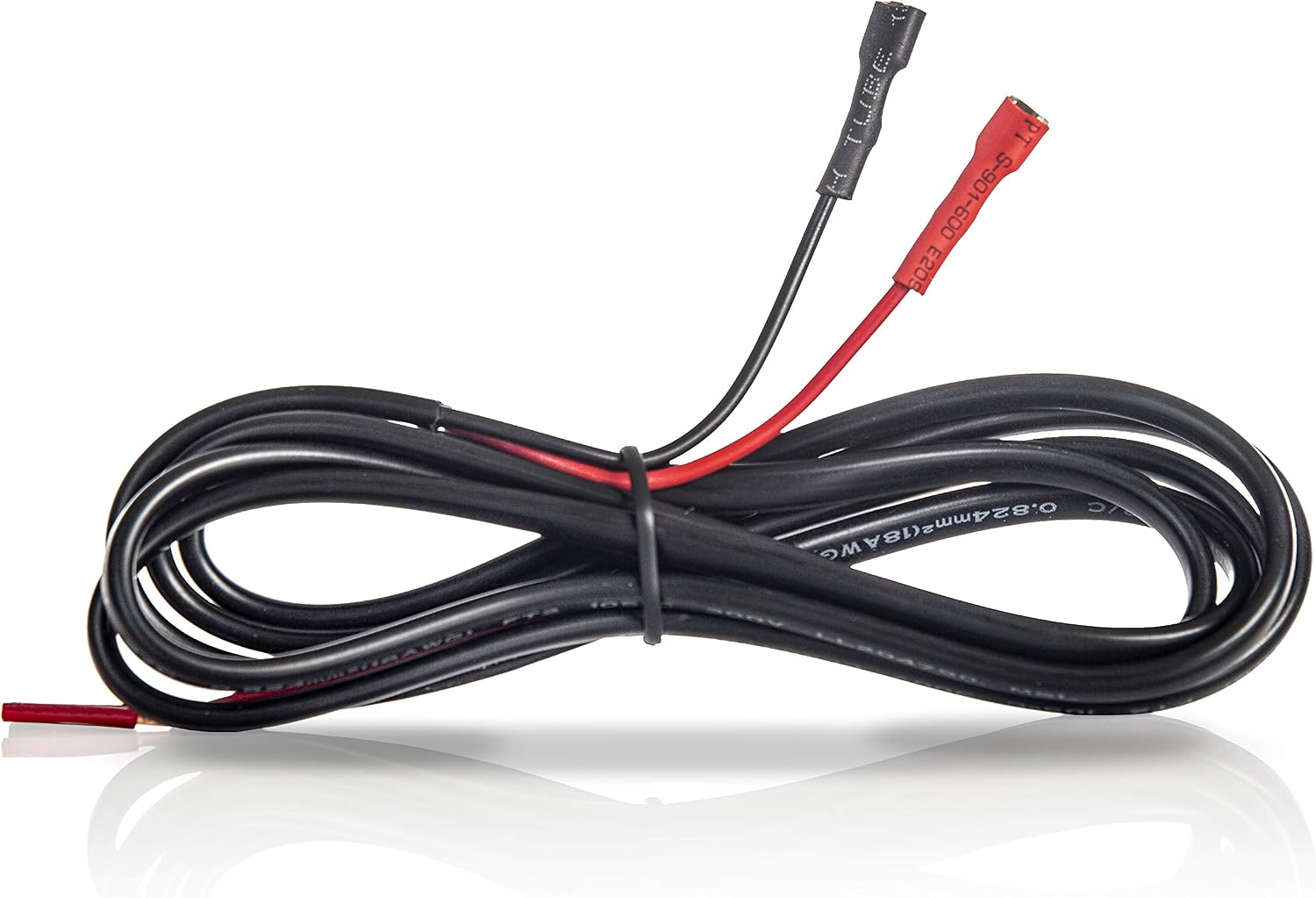
6V/12V Battery Connector Cable — F1, red & black
5 ft cable
6V/12V Battery Connector Cable — F1, red & black
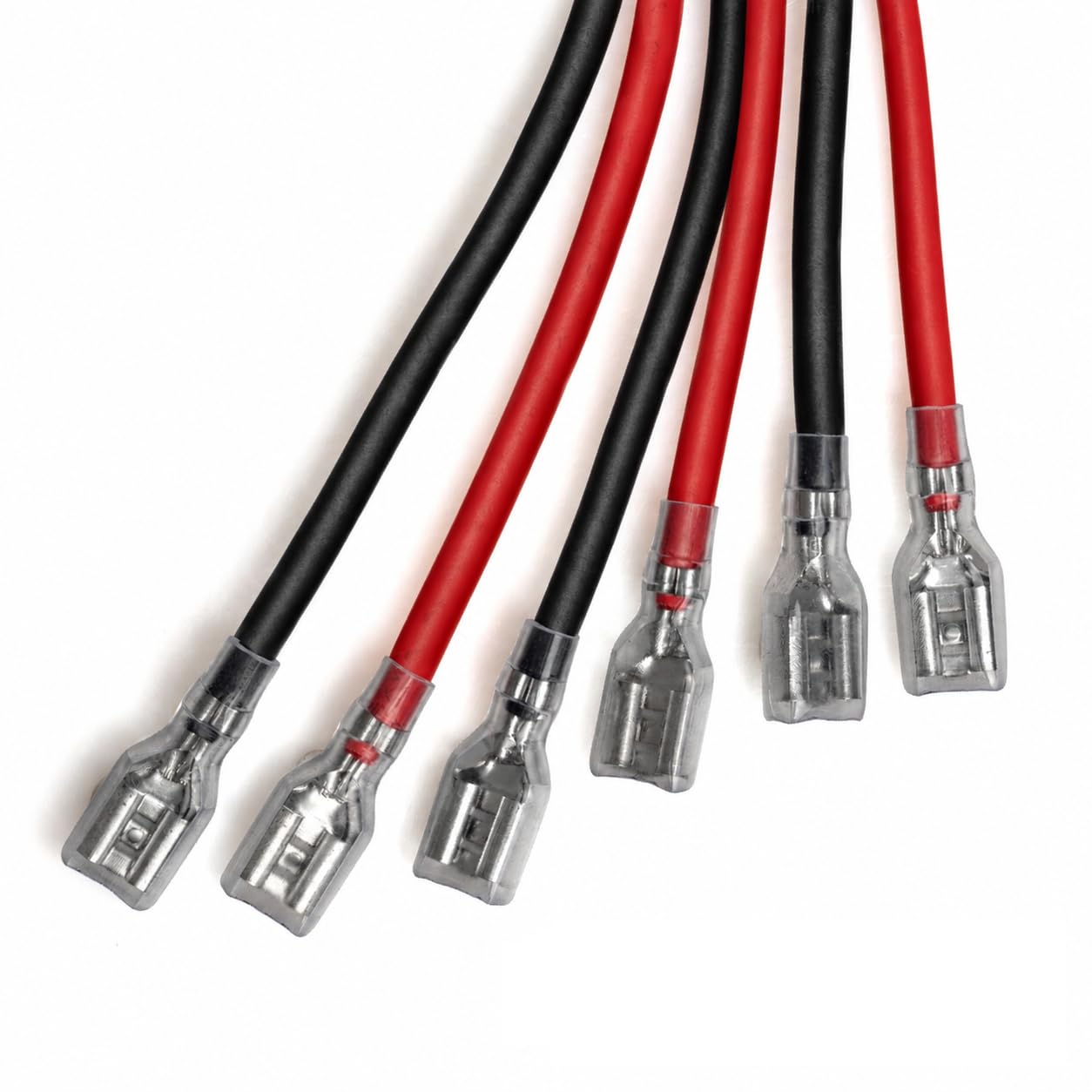 Terminal leads
SLA Battery Terminal Leads — F2, 14 AWG, 6 pieces
Terminal leads
SLA Battery Terminal Leads — F2, 14 AWG, 6 pieces
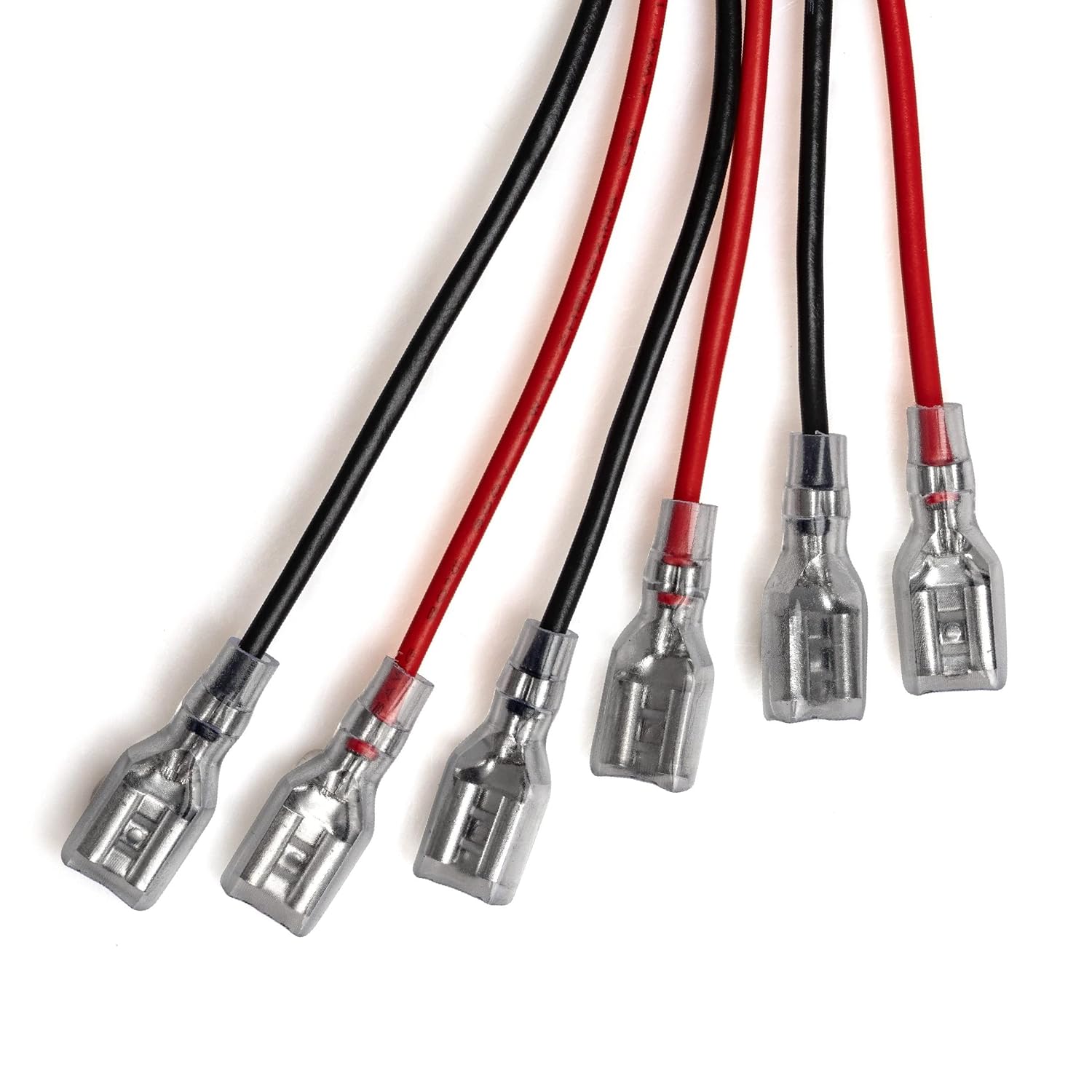 Terminal leads
SLA Battery Terminal Leads — F2, 16 AWG, 6 pieces
Terminal leads
SLA Battery Terminal Leads — F2, 16 AWG, 6 pieces
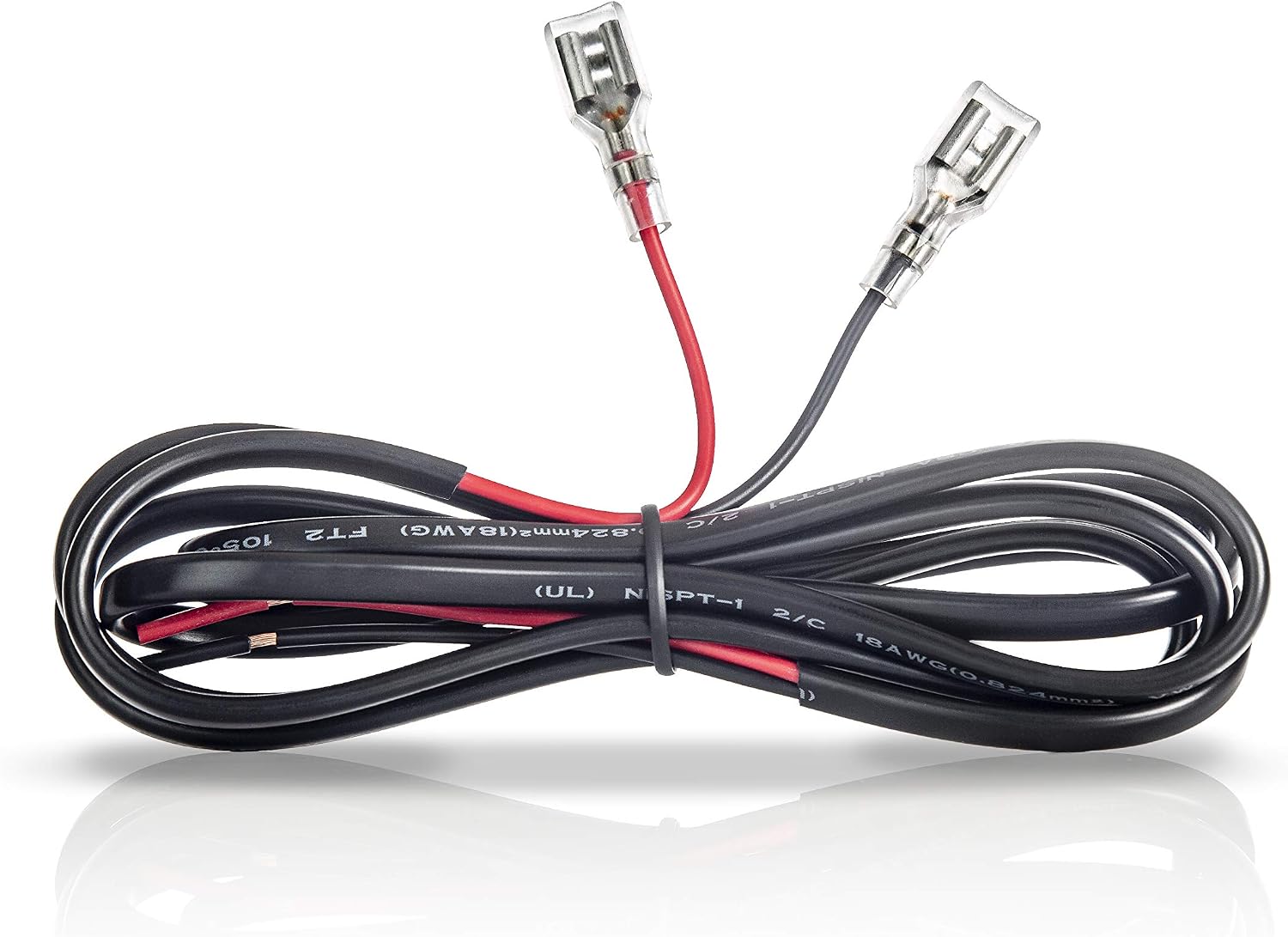 5 ft cable
12V Battery Connector Cable — F2, clear inserts
5 ft cable
12V Battery Connector Cable — F2, clear inserts
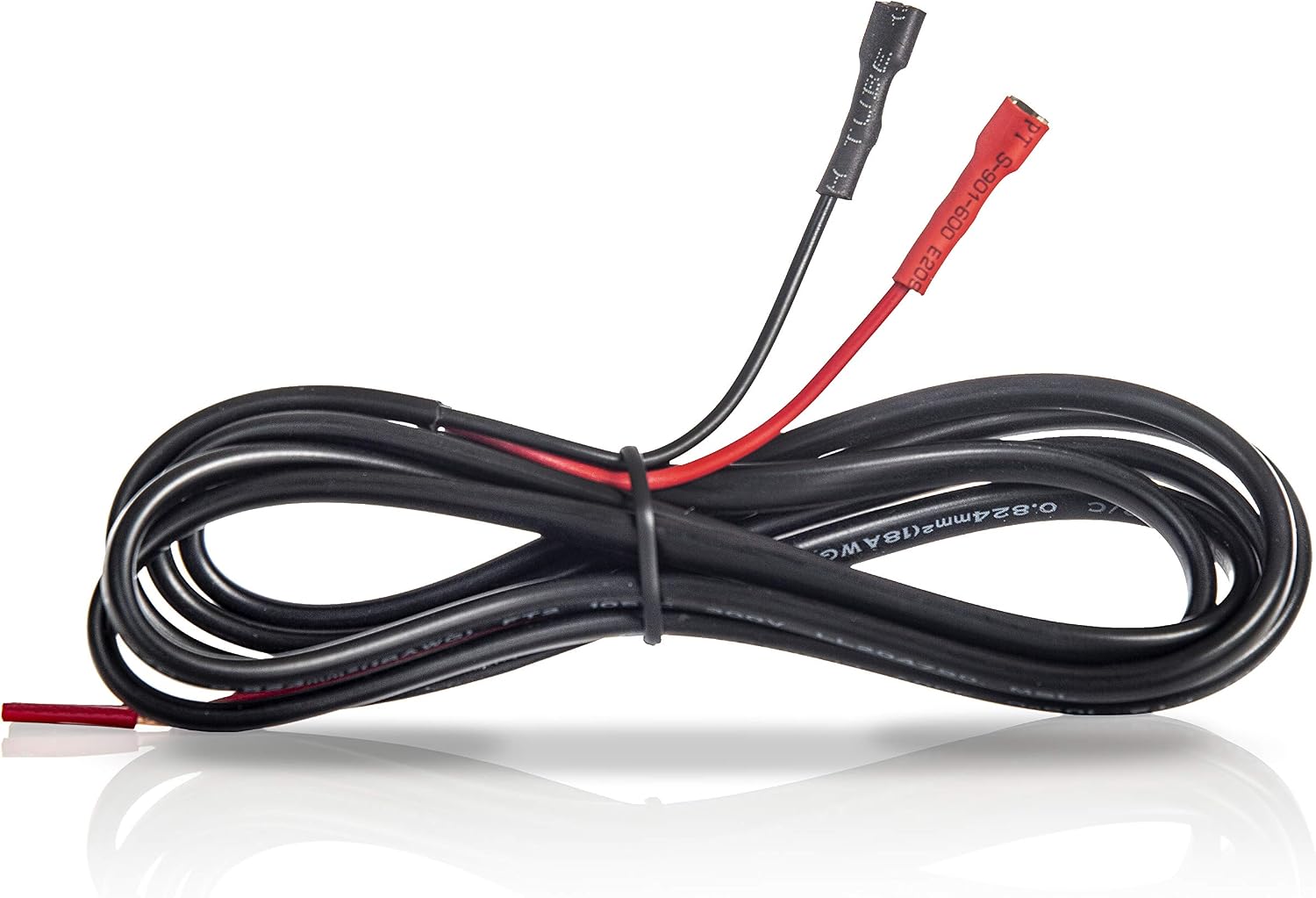 5 ft cable
12V Battery Connector Cable — F2, red & black
5 ft cable
12V Battery Connector Cable — F2, red & black
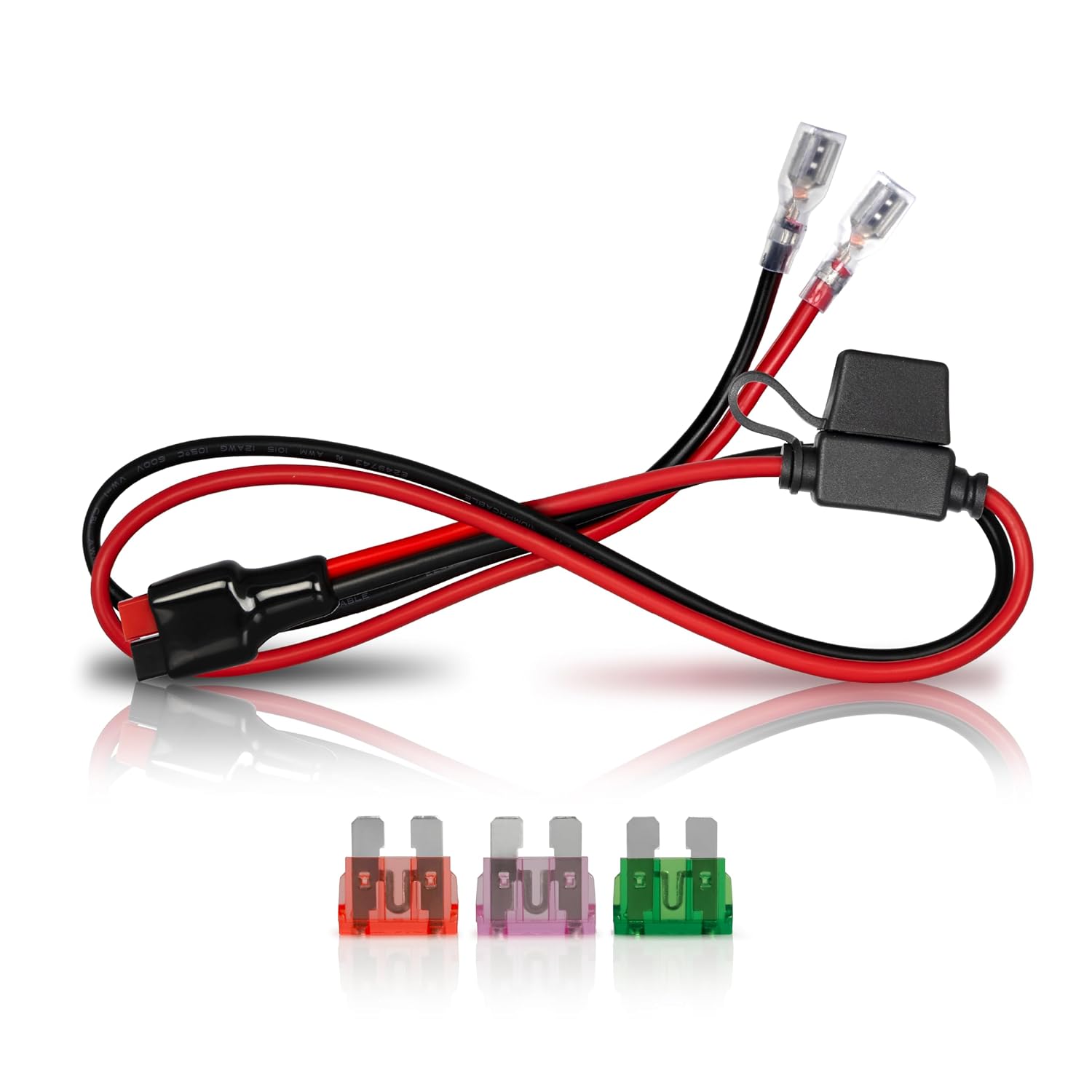 Anderson PP45 · fused
Anderson PP45 to F2 Spade — 12 AWG, 2 ft, 40 A fuse
Anderson PP45 · fused
Anderson PP45 to F2 Spade — 12 AWG, 2 ft, 40 A fuse
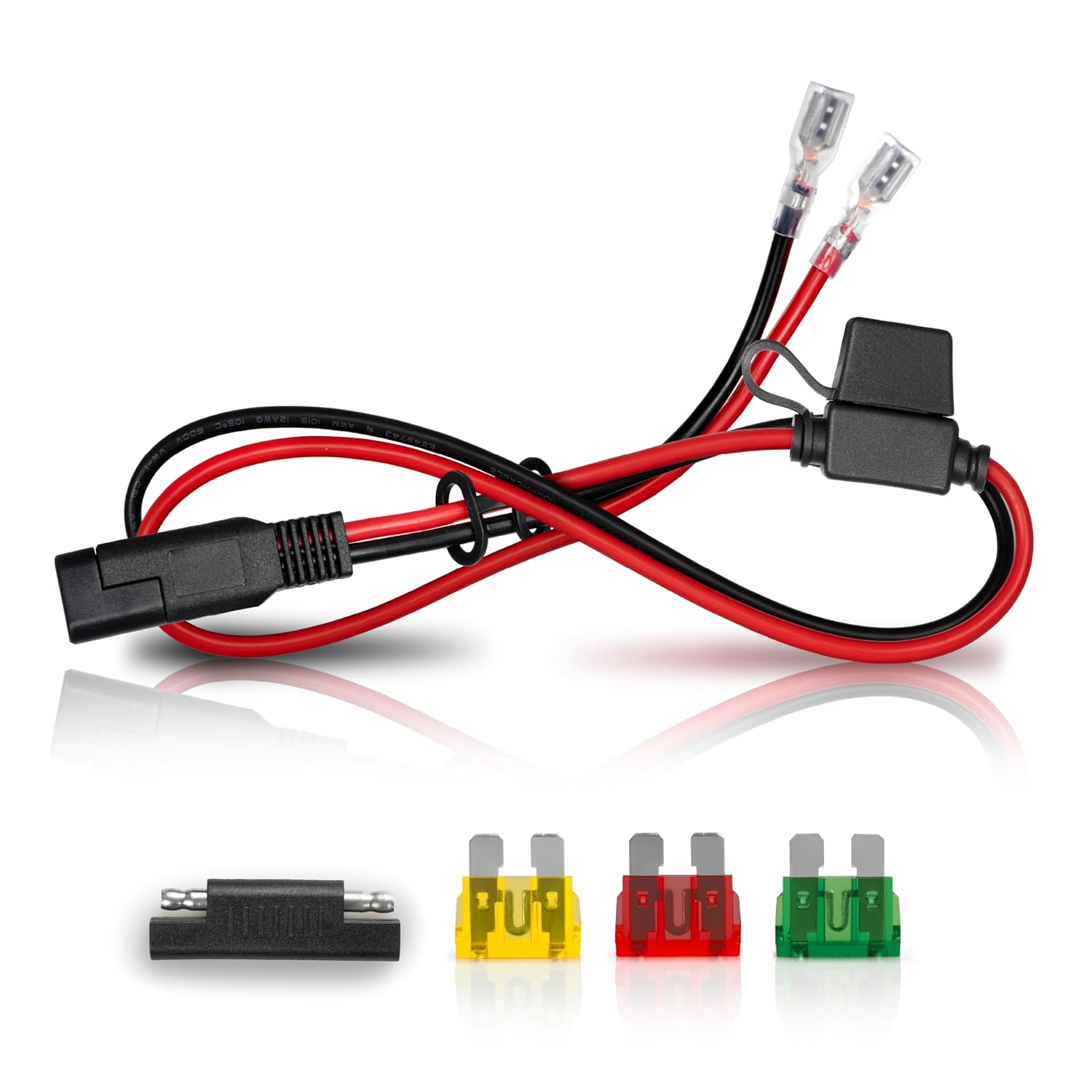 SAE · fused
SAE Plug to F2 Spade — 14 AWG, 2 ft, 20 A fuse
SAE · fused
SAE Plug to F2 Spade — 14 AWG, 2 ft, 20 A fuse
Only the width of the blade. An F1 tab measures 0.187 in (4.75 mm) across and an F2 tab measures 0.250 in (6.35 mm). Thickness, height and the battery post underneath are usually identical, which is exactly why the two get mixed up — side by side the difference is obvious, but from memory it is not.
You will also see them written as T1 and T2, which mean the same thing. Capacity is a reasonable clue and nothing more: as a rough rule small batteries lean F1 and larger ones lean F2, but manufacturers choose the terminal, not the standard, so the same capacity appears with either.
Getting the terminal right is only half of it. The wire behind it has to carry the current for the length of the run — a correctly fitting F2 spade on undersized wire is still a problem. Our terminal leads come in 14 and 16 AWG, and the fused Anderson and SAE cables use 12 and 14 AWG for heavier loads.
Width. An F1 tab is 0.187 inches (4.75 mm) wide and an F2 tab is 0.250 inches (6.35 mm) wide. Both are normally the same 0.032 inch (0.8 mm) thickness and the same height, so the width across the flat face is the only measurement that tells them apart.
Both exist. 7Ah is the one capacity that genuinely ships with either terminal depending on the manufacturer and model, which is why so many replacement leads arrive that do not fit. Measure the tab or read the exact model number rather than assuming from the capacity.
No. A 0.250 inch connector pushed onto a 0.187 inch tab makes contact on a small area and works loose. A loose quick-connect heats up under load, and on a battery that is a fire risk rather than an inconvenience. Use the connector that matches the tab.
A smaller 2.8 mm quick-connect tab, sometimes called F3 or a mini spade. It is used on small sealed lead-acid cells of roughly 1.2Ah to 3.4Ah, such as those in emergency lighting and alarm sounders.
Usually a threaded insert or bolt post rather than a quick-connect tab. Those need ring terminals sized to the bolt, not spade connectors, so a terminal lead with F1 or F2 spades will not fit them.
Send us the battery model number and we will tell you which terminal it uses.